
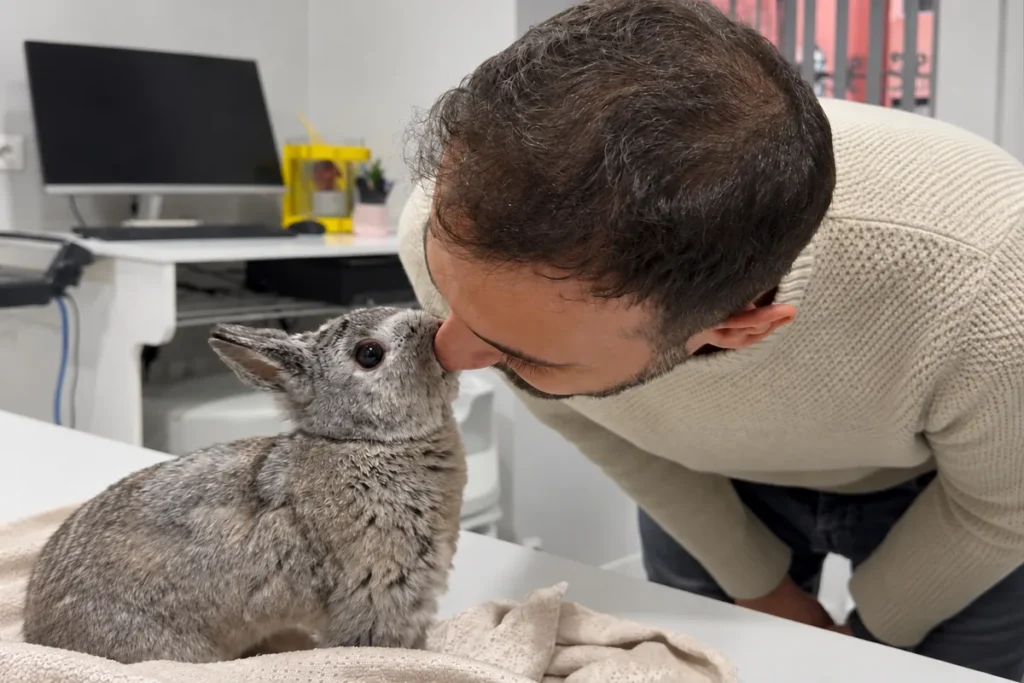
Spaying female rabbits is a surgery performed to prevent unwanted pregnancies and avoid health problems related to the reproductive organs. Especially uterine diseases carry importance when evaluating this decision in rabbits. The appropriate timing for the operation and anesthesia plan is determined based on the rabbit's examination findings and overall health status.
At Çeliktepe Veterinary Clinic, we perform spaying on female rabbits using the ovariohysterectomy method, where the ovaries and uterus are removed through a small abdominal incision. The clinical flow below applies to our rabbits that are suitable for surgery and whose operations proceed without complications. Plans may vary according to the needs of the patient.
Why is spaying performed in female rabbits?
Spaying permanently prevents reproduction. The removal of the ovaries and uterus also aims to prevent diseases originating from these organs. The increasing risk of uterine diseases and tumors in female rabbits with age are significant reasons for this decision. A rabbit not living with a male rabbit does not eliminate the risks associated with reproductive organs.
Behaviors such as nesting related to hormonal effects, false pregnancies, nesting territory, or urine marking can also be considered. There may be a decrease in these behaviors after spaying; however, not every behavior is caused by hormones. Pain, fear, living environment, and the individual characteristics of the rabbit should also be examined.
Why is the reproductive cycle of rabbits different?
Rabbits do not have the same reproductive pattern as animals that spontaneously ovulate at regular intervals. In female rabbits, ovulation mostly occurs with the stimulation caused by mating. This feature is called induced ovulation. Although the acceptance periods for mating may vary, the process should not be interpreted like the distinct heat cycles in dogs.
The expression “like rabbits” used in common language refers to the high reproductive capacity of rabbits. The approximately 31-day pregnancy, their ability to give birth to multiple young at once, and mating triggering ovulation are associated with these characteristics. Therefore, in homes where both male and female rabbits live, if offspring are not desired, reproduction should be controlled in advance.
False pregnancies due to hormonal changes can also occur without actual pregnancy in female rabbits. Nesting behaviors and fur pulling may be related to this condition. Pregnancy cannot be diagnosed solely by behaviors; a veterinary assessment is necessary if there is a new or significant change.
What should be considered before the surgery?
When planning the surgery, the rabbit's nutrition, defecation patterns, previous illnesses, and medications used are evaluated. If there is a decrease in appetite, noticeable changes in feces, or a respiratory issue, the veterinarian should be informed before the appointment. Depending on the examination, additional assessments or changes in the timing of the procedure may be required.
Do not withhold food from your rabbit overnight before surgery. The nutritional needs of rabbits differ from those of cats and dogs; prolonged fasting is not appropriate. Maintain its regular diet and follow the rabbit-specific plan given by the veterinarian for preparation on the day of the procedure. Bringing its familiar hay and food to the clinic may help with post-surgery feeding monitoring.
How is the spaying surgery performed on female rabbits?
The operation is performed under general anesthesia. A small abdominal incision is made to access the ovaries and uterus; after these organs are removed, the incision is closed. Ovariohysterectomy permanently prevents reproduction since both the ovaries and uterus are removed.
In our clinic, the surgical phase takes approximately 10–15 minutes. This duration does not include preoperative evaluation, preparation, transition to anesthesia, and monitoring during recovery. The presence of disease in the uterus, anatomical differences, or health needs of the rabbit may change the surgical plan and duration.
How is the anesthesia and recovery process managed?
At our clinic, general anesthesia is maintained with inhaled anaesthetic gas after premedication with medetomidine based on the patient’s evaluation. Premedication refers to the medication preparation used before general anesthesia. At the end of the operation, gas anesthesia is halted, and the effects of medetomidine are reversed with atipamezole to support fast and controlled recovery.
The patient's overall condition is monitored throughout anesthesia and recovery; body temperature is maintained, and pain control is ensured.
Discharge and home care
Our rabbits can be discharged approximately four hours after the operation if their recovery and overall condition are deemed appropriate.
In our routine care plan, a collar is not used; the incision is closed with a method that does not require suture removal, and ongoing antibiotic injections are not planned. Pain control and any necessary additional treatments are managed by the veterinarian. The condition of the wound or any other issues may change the care plan.
A clean, calm, and secure area should be provided at home. Their feeding, feces, mobility, and the surgical area should be closely monitored. If the rabbit pulls at the wound, if the suture line opens, bleeding occurs, or there is significant swelling or discharge, consult the clinic. Do not place a collar based on your judgment, do not apply products to the wound, or give human medications.
Refusal to eat, noticeable decrease or cessation in feces, significant lethargy, or signs of pain are not situations that should be waited on. Especially post-surgery, reach out to the veterinarian without delay for these symptoms. The movement restrictions and control timing at home should be maintained according to the personal plan provided at discharge.
Frequently Asked Questions
At what age should a female rabbit be spayed?
Spaying female rabbits is generally considered from around five months of age. The appropriate timing is determined based on breed, development, body structure, and health status. For older rabbits, the decision is not based solely on age; examination findings are taken into account.
Can a rabbit that has never given birth be spayed?
Yes. It is not necessary for the rabbit to have previously mated or given birth for spaying. Instead of planning pregnancy with the thought of “let her give birth once,” the appropriate timing for the operation should be evaluated with the veterinarian.
Is the spaying surgery for female rabbits risky?
Every surgical procedure and general anesthesia carries certain risks. The rabbit's health status, existing illnesses, and necessary follow-up are important. The use of gas anesthesia or the short duration of the operation does not eliminate these risks entirely.
Should rabbits be fasted before surgery?
Do not withhold food overnight. Do not apply long fasting instructions given for cats and dogs to your rabbit. Follow your veterinarian's specific guidance for your rabbit's regular feeding and preparation for the day of the procedure.
How long do the surgery and stay at the clinic take?
In our clinic, the surgical phase lasts approximately 10–15 minutes. Rabbits with appropriate recovery and overall condition can be discharged about four hours after the operation. The surgical duration and post-operative monitoring period differ.
Is it necessary to use a collar or have stitches removed?
In our routine practice, a collar is not used, and there is no need to remove stitches. However, the incision should be observed daily. If the rabbit is concerned with the wound, consult the veterinarian for a solution.
Are daily antibiotic injections given?
In uncomplicated cases at our clinic, ongoing antibiotic injections are not routinely planned. If there is an infection or other clinical requirement, treatment may change. Pain relievers and antibiotics are not interchangeable medications.
What should I do if my rabbit is not eating after surgery?
Do not accept a refusal to eat or a noticeable decrease in feces as normal; promptly reach the clinic without delay. The need for feeding support or other treatments for the rabbit will be evaluated through examination. Do not start medications at home based on your own judgment.
What determines the price for spaying a female rabbit?
The fee may vary based on examination findings, necessary evaluations, anesthesia, surgery, and follow-up needs. To learn the current price and what is included, consult the clinic; costs should not be assessed solely based on surgery duration.
This content is for informational purposes only; it does not replace a veterinary examination.

