
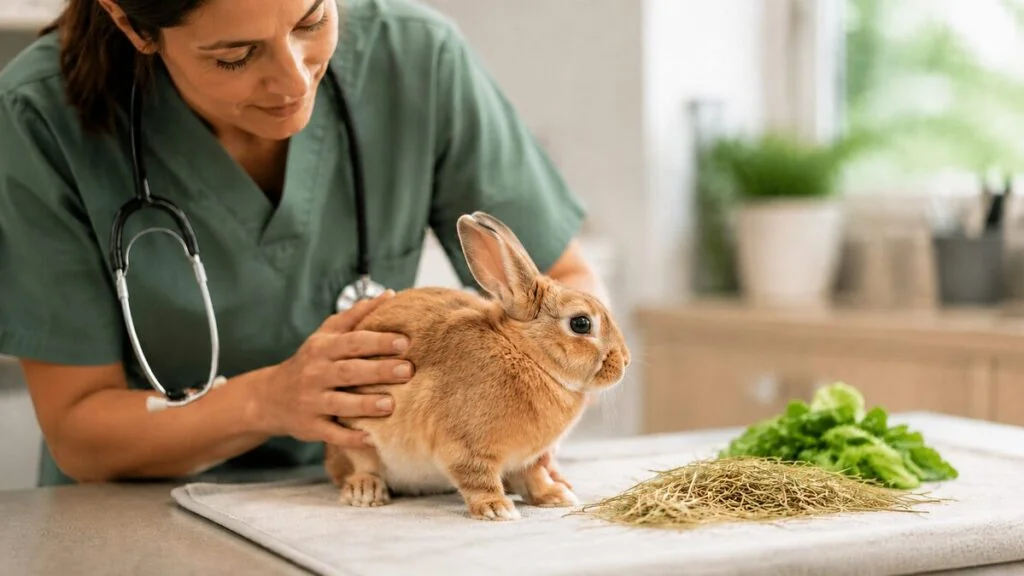
My Rabbit Won't Eat: Causes and Emergency Symptoms
Refusing favorite foods, eating less, or being completely uninterested in food should not be considered just a simple discomfort. Rabbits need a regular intake of fiber-rich foods throughout the day for their digestive system to function properly. Prolonged lack of appetite can lead to slowed intestinal movements and can quickly result in serious conditions.
Lack of appetite is not a disease in itself. However, it can be a first indication of different problems such as dental issues, pain, stress, improper diet, gastrointestinal stasis, foreign bodies, or obstruction. Therefore, rather than just trying to feed the rabbit again, it is essential to identify the cause of the loss of appetite.
Important: If your rabbit isn't eating, has noticeably reduced or completely stopped pooping, do not wait. Medicines or forced feeding should not be applied without evaluation by a veterinarian for possible abdominal bloating, blockage, or other emergencies.
Why is Rabbit Not Eating Dangerous?
The rabbit's digestive system functions on a constant movement of high-fiber foods. When food intake decreases, intestinal movements can slow down as well. Buildup of gas and pain in the intestines can lead to even less eating in the rabbit, creating a vicious cycle.
The following symptoms may accompany lack of appetite:
● Decreased, reduced, or completely stopped droppings
● Refusal of grass hay and favored foods
● Inactivity and behavior of hiding in a corner
● Tightness or bloating in the abdominal area
● Teeth grinding and painful posture
● Pressing belly to the ground or frequently changing positions
● Additionally, reduced water intake
● Wetness around the mouth and increased salivation
● Weight loss over time
If any of these signs are present, the thought of waiting for the rabbit to "get better" is risky. Especially if loss of appetite is accompanied by inability to poop, pronounced lethargy, abdominal bloating, difficulty breathing, or drop in body temperature, urgent veterinary assessment is required.
Main Causes of Lack of Appetite in Rabbits
- Gastrointestinal stasis
Gastrointestinal stasis is the marked slowing of stomach and intestinal movements. It can be triggered and developed as a result of insufficient fiber intake, pain, stress, dental diseases, dehydration, or other illnesses. The rabbit eats less, the droppings become smaller and decrease in number, and sometimes droppings can stop completely. Tension in the abdomen increases.
Gastrointestinal stasis is often a consequence of another problem. Therefore, merely addressing the movement of the intestines may not be sufficient; the underlying cause must also be identified. It is one of the most evident causes that can quickly lead to serious outcomes and can be fatal.
- Dental overgrowth and molar problems
The teeth of rabbits continue to grow throughout their lives. Insufficient intake of hay (grass hay), jaw structure abnormalities, or improper alignment of teeth can lead to irregular growth in their incisors and molars.
Rabbits with dental problems sometimes show interest in food but may drop it after getting it into their mouths. They might refuse hard and fibrous foods like hay and instead opt for softer foods. Increased salivation, wetness under the chin, eye discharge, swelling in the facial area, and weight loss can also be observed.
Normal appearance of the front teeth does not necessarily mean there are no problems; the health of the back molars must also be assessed. Detailed examination of the molars with appropriate equipment and possible head radiography or advanced imaging may be required.
- Gas, pain, and gastrointestinal obstruction
Gas buildup can cause severe abdominal pain in rabbits. This is a serious condition. However, symptoms of gas and gastrointestinal stasis can resemble those of foreign bodies or intestinal obstruction. It can quickly lead to destructive effects. The treatment applied in cases of suspected obstruction differs from that of simple gastrointestinal slowdown.
Therefore, administering intestinal motility medications or forced feeding to a rabbit with abdominal bloating or one that suddenly refuses to eat could be risky without examination and imaging. Professional help must be sought.
- Improper diet
This is one of the most common mistakes. It is the cause of many problems. Excessive feeding of pellet food, fruits, treats, and carbohydrate-rich foods while providing little high-quality hay can disrupt the balance of the digestive system. The foundation of an adult rabbit's diet should consist of high-quality and suitable hay accessible at all times of the day. The concept of "hay" can open a wide window and may lead to problematic information; your veterinarian will present you with options and the specific information needed for your pet.
Sudden changes in diet can also negatively affect the intestinal flora and appetite. New greens and different foods and feeds should be introduced gradually.
- Urinary system diseases
Urinary tract infections, bladder sludge, and the formation of sand or stones can cause pain and loss of appetite. Symptoms may include frequent attempts to urinate, difficulty urinating, wetness in the genital area, bloody urine, or gritty dark-colored urine. These problems have multiple possible causes; diet, water intake, activity, kidney function and infection must be assessed for each patient.
- Stress and environmental changes
Moving, traveling, excessive heat, a change in the cage or living space, loud noises, a new pet, and sudden changes in diet can cause decreased appetite in rabbits and may have psychological side effects. However, it is essential to rule out painful and urgent illnesses before attributing loss of appetite solely to stress.
- Other diseases and pain
Respiratory diseases, skin and allergy problems, fungal and mange infections, ear problems, trauma, infections, liver or kidney diseases, and post-operative pain can also lead the rabbit to stop eating. Uterine diseases in female rabbits are also among the possibilities that should be evaluated.
When Should You Go to the Veterinarian Urgently?
Loss of appetite in rabbits can become critical within hours. If any of the following conditions are present, you should seek veterinary care that same day, preferably without delay:
● Refusal to eat anything or even rejecting favorite foods is very important.
● A significant decrease in the amount of droppings or complete cessation of droppings is an emergency situation.
● If the abdomen appears bloated, tense, or painful.
● Severe lethargy, imbalance, or decreased responsiveness.
● Continuous teeth grinding and signs of pain.
● Increased salivation or wetness under the chin.
● Inability to urinate or constant straining
● Rapid or labored breathing
● Significant cooling of the body and ears
If your rabbit stops eating completely or produces markedly fewer droppings, contact a veterinarian without waiting for a set number of hours. Abdominal swelling, significant pain, severe lethargy or a complete absence of droppings requires urgent assessment.
What Can Be Done at Home?
Until you can reach the veterinarian, keep the rabbit in a quiet, safe, and suitably warm environment. Provide fresh water and high-quality hay in front of it. While maintaining variety, you can cautiously offer fresh leafy greens it has consumed without issues before, soaked if necessary. Make a note of the times of the last meal, water intake, urination, and defecation; if possible, take a photo of the most recent droppings.
Transport the rabbit in a secure carrier with a non-slip bottom. It's advisable to take samples of the food it usually eats and any stools it has produced recently to assist with the examination.
What Should Not Be Done at Home?
● Never give pain relief or other medications meant for humans.
● Never use antibiotics, intestinal motility agents, or oils without the recommendation of a veterinarian; forced feeding should never be done when there is a possibility of abdominal bloating or obstruction.
● You should not administer water or food quickly with a syringe as it may pose a risk of aspiration.
● Do not perform any rough abdominal massages that could stress the rabbit.
● Do not wait for the loss of appetite to resolve on its own.
Forced feeding may be a crucial part of the treatment for some gastrointestinal stasis cases; however, safety should be determined by the veterinarian after examination and necessary imaging.
What Happens During the Veterinary Examination?
During the examination, the rabbit's body temperature, hydration status, abdominal structure, intestinal sounds, mouth, and teeth are assessed. Depending on the findings, the following tests may be conducted:
● Abdominal and head radiography
● Ultrasonographic examination
● Blood tests
● Urinalysis
● Fecal examination
● Detailed mouth and molar examination under sedation
Treatment will be planned according to the underlying cause. Fluid support, proper pain control, dietary support, and medications to regulate intestinal movements may be used in necessary cases. If dental disease, infection, urinary problems, or a condition requiring surgery is detected, the appropriate treatment and procedure will be applied.
Small changes in the size of the droppings or eating habits of the rabbit can be early signs of disease. In problems detected early, the chances of successful treatment are generally higher.
Rabbit Veterinarian in Kağıthane
If your rabbit isn't eating, has reduced droppings, or is showing signs of pain, you can contact us for rabbit and exotic animal examinations at Çeliktepe Veterinary Clinic. Clinical examinations, dental assessments, radiography, ultrasonography, and laboratory tests will be conducted to explore the underlying causes of lack of appetite; treatment will be planned based on the findings.
Çeliktepe Veterinary Clinic – Kağıthane / Istanbul
Veterinarian Miraç Gürbüz
Working hours: Every day 09:30–22:00
This content is prepared for informational purposes only. It does not substitute for examinations and laboratory investigations. Medication selection and dosages should only be determined by a veterinarian.
Frequently Asked Questions
My rabbit hasn't eaten for a few hours; should I wait?
Loss of appetite for a few hours in rabbits should be evaluated alongside other symptoms. If droppings have decreased, the abdomen is bloated, the rabbit is lethargic, or showing signs of pain, seek veterinary care without delay.
My rabbit is not eating but is drinking water; is this normal?
No. While it may seem positive that it continues to drink water, not eating could be associated with dental disease, pain, or digestive system problems. The cause of loss of appetite should be investigated.
My rabbit is not eating and is not pooping; what should I do?
The combined occurrence of not eating and not pooping requires urgent evaluation. Serious conditions like gastrointestinal stasis or obstruction may be present. Seek veterinary care without random medications or forced feeding.
Can I feed my rabbit with a syringe?
Supportive feeding may be necessary in some cases. However, performing it without excluding the possibility of gastrointestinal obstruction and assessing swallowing function is risky. The appropriate food, amount, and technique should be determined by the veterinarian.
Can a rabbit have dental problems even if its teeth look normal?
Yes. While the front incisors may appear normal, there could be overgrowth, sharp points, or root problems present in the back molars. A detailed oral examination and imaging if necessary is required.
Grass hay is dried grass; straw consists of grain stalks and does not replace good-quality hay in a rabbit’s diet. See our articles on dental overgrowth in rabbits and diarrhea in rabbits.

