
Features, Care and Health Needs
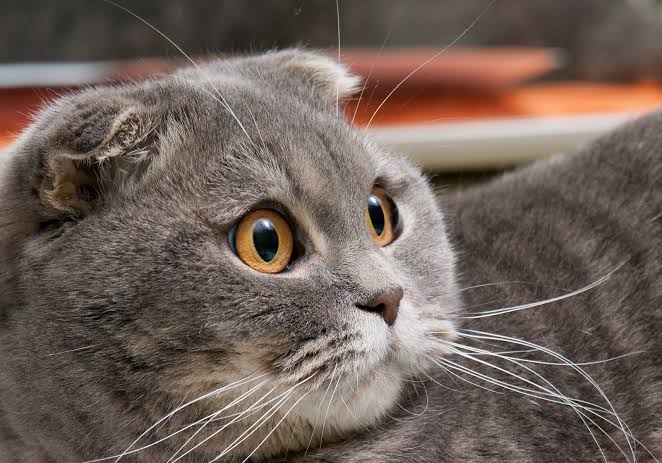
With their round faces, large eyes and characteristic ear structures, Scottish cats are among the most popular cat breeds in recent years. These cats, known for their calm and affectionate nature, are particularly recognized for their easy adaptation to family life.
However, what you need to know about Scottish cats is not limited to their appearance and personality. Especially in Scottish Fold cats, the genetic trait causing the ears to fold is associated with significant health issues related to the skeletal and cartilage system. Therefore, it is crucial to be aware of their health needs before adopting or taking care of this breed.
What is a Scottish Cat?
The Scottish cat group primarily presents itself with two different ear structures:
- Scottish Fold: The ears are folded forward and downward.
- Scottish Straight: The ears are upright and have a normal cat ear structure.
Scottish Fold and Scottish Straight are cats coming from the same genetic lineage. Kittens are usually born with upright ears; the folding of the ears in kittens carrying the Fold gene can become evident around the 3rd week.
What is the Character of Scottish Cats?
Scottish cats typically have a calm, social character and are keen to communicate with humans.
Most Scottish cats:
- Enjoy spending time with people.
- Adapt easily to home life.
- Can get along well with children and other pets.
- Love to play but do not have a constantly active character.
- May prefer to follow their owner and stay in the same environment.
Of course, every cat has a unique character. While breed characteristics give a general idea, a cat's socialization, living environment, and individual personality significantly affect its behavior.
The Most Important Point to Know About Scottish Folds and Health
The most striking feature of Scottish Fold cats, the folded ears, is not just the result of a genetic trait limited to the ears.
The genetic mutation that causes the ears to fold can also affect cartilage development. This condition is associated with a hereditary skeletal disease known as Scottish Fold osteochondrodysplasia.
The severity of the disease can vary from cat to cat. In some cats, obvious symptoms may emerge earlier, while in others, issues may remain milder. Scientific studies have reported findings such as lameness, reluctance to move, refusal to jump, stiff walking, a thickened and less flexible tail, and bone changes around the joints.
Therefore, it is important for Scottish Fold owners to closely monitor their cats’ movements and daily behaviors.
What symptoms should be monitored?
If you notice any of the following changes in your cat, you should consult your veterinarian:
- Starting to move less
- Avoiding jumping
- Not wanting to use stairs
- Lameness
- Stiffness in walking
- Moving its tail less
- Decreased interest in play
- Having difficulty cleaning itself
- Showing discomfort in certain areas when touched
It should be noted that cats are particularly good at hiding pain. Some behavioral changes that are evaluated as "quiet, now a calm cat" could actually be signs of an underlying problem related to the musculoskeletal system.
How Should Scottish Cats Be Cared For?
Caring for Scottish cats generally requires establishing a regular and correct routine.
1. Coat Care
Scottish cats can be short or long-haired. Regular brushing helps remove dead hair and reduces the formation of hairballs.
While weekly brushing may be sufficient for short-haired cats in most cases, long-haired individuals may require more frequent grooming.
2. Nutrition
One of the most important issues for Scottish cats is maintaining an ideal body weight.
As excess weight can increase the burden on joints and the musculoskeletal system, weight control is even more crucial for cats at risk of developing movement problems.
Food selection should be based on the cat's:
- Age,
- Weight,
- Activity level,
- Whether it is spayed or neutered,
- General health condition
.
3. Exercise and Play
It is important to encourage your Scottish cat to exercise. However, it is not appropriate to force a cat with musculoskeletal issues to climb high places or engage in intense exercise.
Games should be planned so that the cat can move at its own will, safely and under control.
4. Veterinary Check-ups
Regular veterinary check-ups are important for the early detection of health issues in Scottish cats.
In particular, if changes in movement are noticed, an orthopedic evaluation by a veterinarian may be necessary, and imaging techniques may be utilized if deemed necessary.
Scottish Fold or Scottish Straight?
The most apparent difference between these two cats is their ear structure.
Scottish Straight cats have upright ears. The characteristic folded ear structure of Scottish Folds is associated with a specific genetic mutation. TICA describes Scottish Straights as the straight-eared siblings of Scottish Folds.
From a health and animal welfare perspective, it is necessary to consider the genetic mechanism behind the folded ear appearance. Animal welfare organizations have reported serious concerns regarding the breeding of Scottish Folds due to skeletal diseases associated with this appearance.
Can Your Scottish Cat Live a Happy and Healthy Life?
Yes. If you are a Scottish cat owner, the most important focus should be on monitoring your cat's quality of life rather than its appearance.
Regular veterinary check-ups, ideal weight, proper nutrition, proper coat care, a safe living environment, and closely observing your cat's behavior form the foundation for a healthy life.
Especially in Scottish Fold cats, reluctance to move or behavioral changes should not be dismissed as "that's just the nature of the breed." Underlying pain or joint issues should be evaluated by a veterinarian.
Conclusion
Scottish cats win the hearts of many people with their cute appearances and social characters. However, especially regarding Scottish Folds, it is essential to know that their characteristic ear structure has significant genetic and health implications.
When adopting a cat, consider not only its appearance but also its genetic characteristics, health needs, and quality of life.
Remember: A healthy cat is not just one that looks good; it is one that can move comfortably, has no pain, can play, and exhibit natural behaviors.
If you notice any changes in your Scottish cat's movements, behavior, or general health condition, do not neglect to seek professional evaluation from your veterinarian.
If you suspect reluctance to move or joint pain, you can get information about orthopedic evaluation. You can contact our clinic for an examination.
Author: Veterinarian Miraç Gürbüz

