
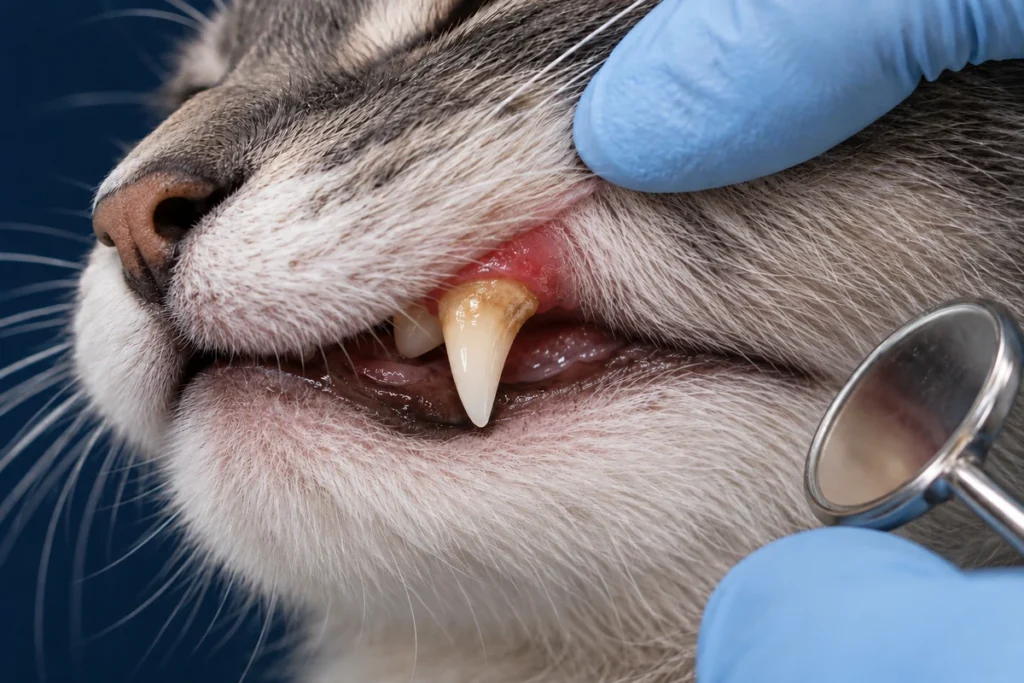
The most common causes of persistent bad breath in cats are dental and gum diseases. A smell that is briefly noticeable after eating is not the same as a smell that continues throughout the day, becoming progressively worse or accompanied by an increase in saliva. A newly noticeable odor, especially, suggests that there may be an issue in the mouth.
Before masking the smell with a product, it is essential to find the source. A cat's normal eating does not rule out oral pain; many cats continue to eat despite discomfort. If there is a reduction in food intake along with bad breath, flinching while chewing, bloody saliva, or lack of appetite, an examination should not be delayed.
What causes bad breath in cats?
The plaque that forms on the surfaces of the mouth is a layer made up of bacteria and other components. Over time, it can mineralize and turn into tartar. While the activity of bacteria in plaque contributes to bad odor, the inflammation around the gums also affects oral health. The amount of tartar visible from the outside does not necessarily reveal what is happening beneath the gums or around the roots.
Gingivitis and periodontal disease
Redness, swelling, and easy bleeding around the gums may be signs of gingivitis, an inflammation of the gums. When the disease affects the deeper tissues supporting the tooth, periodontitis develops. In advanced cases, the support around the teeth may be lost, and the teeth may become loose.
Even if there is no significant redness in the gums, evaluation is helpful if there is a bad odor. Some issues can be located at the back of the mouth or under the gums; they may not be fully visible during a quick oral check when the cat is awake.
Dental resorption and broken teeth
Dental resorption in cats is a painful condition that occurs when the hard tissues of the tooth are destroyed. Lesions may sometimes be noticeable at the gum line, and other times they may remain under the gums. The advancement of gum tissue onto a tooth, sudden reactions while chewing, or food falling from the mouth can be noteworthy.
A broken tooth can expose internal tissues and lead to infection. Treating these issues is not just about cleaning the visible surface. Evaluating the roots of the tooth and surrounding tissues helps in selecting appropriate treatment.
Oral inflammation, sores, and foreign bodies
Diseases that cause widespread inflammation in the mouth, such as gingivostomatitis, can lead to severe pain, increased saliva, and odor. A cat wanting to eat but being unable to, pawing at its mouth, or appearing uncomfortable while swallowing is significant from this perspective.
Foreign bodies caught under the tongue or between the teeth, mouth sores, and certain lumps are also reasons that should be evaluated. Do not scrape or pull on any formation you see at home. Specifically, a thread-like object coming from the mouth may be continuing into the digestive tract; pulling it can cause tissue damage.
Can bad breath be a sign of kidney disease or diabetes?
Some systemic diseases can cause changes in breath odor. Signs of advanced kidney disease may include mouth sores and a different breath odor. In ketoacidosis, a serious metabolic issue related to diabetes, the breath's smell may also change. However, these diseases cannot be diagnosed solely by smell; the type of bad breath is not a reliable home test.
If there is an increase in drinking or urination, weight loss, vomiting, changes in appetite, or notable lethargy, definitely share this information during the examination. The veterinarian may suggest blood and urine tests in addition to an oral examination. The presence of tartar in the mouth does not completely rule out the possibility of another accompanying disease.
It is also not correct to attribute every bad breath to kidney failure. The priority is an examination considering the cat's age and all of its symptoms. Choosing food, supplements, or medications based solely on odor can delay diagnosis.
What symptoms require immediate veterinary attention?
The following changes accompanying bad breath should prompt a quick veterinary evaluation:
- Loss of food from the mouth while eating or chewing on one side
- Gum bleeding, noticeable redness, or swelling around the mouth
- Increased saliva, bloody saliva, or constant pawing at the mouth
- Weight loss, decreased grooming, and hiding
- Unilateral swelling of the face or non-healing mouth sore
Inability to eat or drink, difficulty swallowing, severe lethargy, recurring vomiting, uncontrolled bleeding, or difficulty breathing requires emergency evaluation. It is not appropriate to observe a cat that is not eating due to apparent oral pain for several days. Malnutrition in cats can lead to other serious problems.
If your cat allows it, you can gently lift its lip to observe the visible color of the gums and saliva. Forcing the mouth open, touching painful areas, or conducting a deep check with your finger can injure the cat and may cause you to be bitten.
How is the source of bad breath identified during an examination?
In an oral and dental health evaluation, visible teeth, gums, tongue, and oral tissues are checked. The duration of the odor, whether the food has changed, chewing behavior, and previous dental treatments are assessed. Medication use and general signs of illness are also part of this examination.
It is not always possible to safely evaluate all areas of the mouth and beneath the gum line in an awake cat. If necessary, a detailed oral examination, evaluation of gum pockets, and dental X-rays may be planned under anesthesia. Dental X-rays provide information about issues that are not fully visible from the outside, such as roots, bone support, and dental resorption.
The anesthesia plan is prepared according to the age, examination findings, and any accompanying diseases. Required pre-tests, monitoring during the procedure, and pain control are determined on a patient basis. In cases requiring advanced dental evaluation, a referral to an appropriate center may be made. This approach ensures that along with the visible odor, issues that could lead to pain and tooth loss are also addressed.
How is bad breath in cats treated?
To achieve permanent improvement, the underlying cause must be treated. In diseases associated with plaque and tartar, professional cleaning, evaluation of the tissues beneath the gums, and a home care plan are considered together. Simply removing the tartar from the visible surface of the tooth does not treat deeper disease.
Painful resorptive lesions, advanced periodontal disease, or some broken teeth may require extraction or other suitable dental treatments. In gingivostomatitis, a specific plan is formulated based on the extent of the disease and the cat's response. It cannot be said that every cat will benefit from the same procedure or that all complaints will be permanently resolved with a single application.
Antibiotics or tartar cleaning cannot replace necessary dental treatments. In some cases, they may be part of the treatment, but they should not be used solely because of the presence of bad odor. Temporary reduction in odor does not indicate that the underlying dental disease has been resolved.
Post-treatment nutrition and oral care vary according to the procedure performed. A cat that has undergone tooth extraction may require a period of soft food or cessation of brushing. Pain medications should only be used as directed by the veterinarian; human pain relievers can lead to severe poisoning in cats. If a medication is accidentally given, refer to the first steps to take in cat poisoning and consult a veterinarian without delay.
How should home dental care be done?
If the teeth and gums are healthy, regular brushing is a useful method for plaque control. After gradual training, the goal is to establish a daily care routine that the cat tolerates comfortably. First, accustoming the cat to short touches on its face and around its lips, then raising the lip and making contact with an appropriate brush will facilitate the process. Instead of forcing, short, calm attempts should be made, and breaks should be taken if the cat is distressed.
Suitable toothpaste for cats and a soft brush should be used. Human toothpaste and mouthwashes should not be used. Initially, short contacts with the outer surfaces of the teeth may suffice; the goal is to establish a regular routine that the cat tolerates. If there is pain, bleeding, or noticeable gum inflammation, an examination is necessary before starting brushing.
Dental treats, suitable chewing products, or oral care products may help some cats. The presence of "dental" on the packaging of a product does not mean its effectiveness is proven. The choice should be made considering the cat's dental condition, general illnesses, and efficacy data of the product. Supporting products do not automatically replace necessary treatment and brushing.
Regular dry food does not adequately clean the teeth of every cat. Bones and very hard products can cause tooth fractures, oral injuries, or digestive problems. Scraping tartar at home with a metal tool is also not a safe care method.
How can the recurrence of bad breath be prevented?
Maintaining regular care after treatment and having check-up examinations facilitates earlier detection of problems. The frequency of check-ups is determined based on the cat's previous dental diseases, age, how tolerable it is of home care, and existing findings. A single cleaning procedure does not provide lifelong protection.
Also observe the cat's eating behavior. Avoidance of previously comfortably eaten food, starting to swallow food whole, or neglecting grooming may require re-evaluation. The return of bad breath should not only be explained by "tartar has returned"; there may be another dental, oral tissue, or general health issue present.
Frequently Asked Questions About Bad Breath in Cats
Is it normal for a cat's mouth to smell like fish?
A temporary odor may occur after eating fish-containing food. If the smell persists beyond meals, becomes noticeably stronger, or is accompanied by changes in saliva and chewing, it should not solely be attributed to food.
What causes bad breath in a kitten?
A mild and temporary smell may be observed during the teething period; noticeable or persistent odor should not be considered normal. Evaluation is needed for gingivitis, mouth sores, foreign bodies, and developmental dental issues.
Can my cat be in pain even if it is eating normally?
Yes. Cats may eat or swallow food without chewing, despite pain. Dropping food, chewing on one side, flinching during eating, and subsequent pawing at the mouth are significant signs of pain.
Can bad breath originate from the stomach?
Issues related to the digestive system can affect breath, but in cats with persistent bad breath, oral and dental diseases are primarily evaluated. If there are signs of vomiting or other digestive issues, they will be included in the examination plan; stomach medication should not be given based solely on odor.
If no tartar is visible, are the teeth healthy?
Not necessarily. Diseases beneath the gums, resorptive lesions, and root issues may not be visibly apparent. Clean surfaces do not eliminate the need for a detailed examination.
Are yellow teeth the only cause of bad breath?
No. Accumulations on the tooth may be related to odor; oral inflammation, sores, and other diseases can also be causes. Color change alone does not indicate the severity of the disease or what treatment is necessary.
What tests are performed for bad breath?
An examination is conducted first. Depending on the findings, a detailed dental evaluation and X-rays, sometimes blood and urine tests, may be needed. Sampling may also be considered for non-healing sores or lumps. Tests vary for each cat.
Can dental cleaning be done without anesthesia?
Comprehensive dental cleaning and safe evaluation of the tissues beneath the gums require general anesthesia. Scraping only the visible tartar while the cat is awake does not constitute complete dental treatment and carries the risk of pain and injury.
Is dental treatment very risky for an older cat?
Age alone does not determine whether anesthesia is appropriate. Accompanying diseases, examination, and necessary tests are evaluated. The effects of untreated pain and infection are also considered alongside the anesthesia risk.
Does mouth spray eliminate odors permanently?
Some products can provide temporary relief or help with plaque control. However, if there is dental resorption, periodontal disease, or oral sores, it is not possible to eliminate the cause with a spray. Product selection should be done after the examination.
Can I use human toothpaste for my cat?
No. Cats do not spit out the toothpaste, and the contents of human products may not be suitable for them. Only use products that are specifically labeled for cats and recommended by your veterinarian.
Do baking soda, vinegar, or mouthwash work?
These substances can irritate oral tissues and may cause issues if ingested. Homemade mixtures should not be assumed to be safe and effective treatment. The source of bad breath should be determined through examination.
If there is bleeding while brushing teeth, should I continue?
Do not force the brushing. Bleeding may stem from gum inflammation or applied pressure. Especially if there is repeated bleeding, pain, or redness, the brushing technique and oral health should be evaluated by a veterinarian.
How can I train my cat to get used to tooth brushing?
Start with short and gentle touches around the lip area. As the cat becomes comfortable, introduce the appropriate toothpaste and brush. Spreading out the stages over days is more appropriate than forcing the mouth open. Treatment is needed before training in the case of a painful mouth.
Does dry food prevent tartar?
It cannot be said that standard dry food alone prevents tartar formation. The characteristics of specialized dental diets vary and may be used as support in some cats. General nutritional requirements should also be taken into account.
If a tooth is extracted, can my cat eat?
Many cats can comfortably eat after the necessary tooth extractions have healed. Treating painful teeth can enhance eating comfort. The consistency of food and care plan in the initial days is determined based on the procedure performed.
Is using antibiotics for bad breath sufficient?
Generally, it does not resolve the underlying dental issue. If there is an infection source or a painful tooth, complaints may return. Whether antibiotics are necessary and, if so, the need for primary dental treatment is evaluated by the veterinarian.
Why does my cat's saliva smell bad?
Bacteria in the mouth, inflammation, bleeding, or infected tissues can affect the smell of saliva. Increased or bloody saliva; should be evaluated along with changes in swallowing and eating. Do not attempt to mask it with wiping or perfumed products.
Can I pull on a string hanging from my cat's mouth?
No. The string may be caught under the tongue or advanced into the digestive tract. Pulling can lead to serious injury. Without intervening with the string, place your cat in a carrier and promptly consult a veterinarian.
When will the odor go away after dental cleaning?
The duration depends on the cause of the odor and the treatment performed. Severe or increasing odor, swelling, discharge, inability to eat, or noticeable pain should not wait until the control day. Persistent odor may require re-evaluation of another source.
This content is for general informational purposes; it does not substitute for a veterinary examination.

