
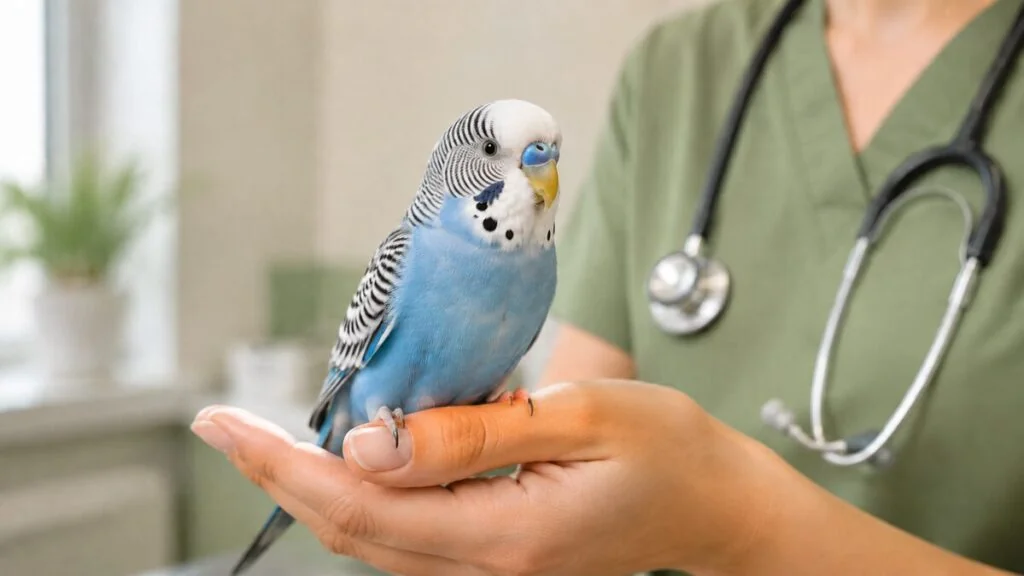
In budgerigars, parrots, and other birds, crop mycosis is a disease that often arises from the excessive proliferation of Candida species yeast fungi in the digestive system. This condition, known as candidiasis in veterinary medicine, can affect the oral cavity, esophagus, crop, and in some cases, further sections of the digestive system.
Candida can be present in low amounts in the digestive systems of healthy birds, and this is normal. Therefore, the detection of Candida alone does not indicate disease. The disease generally develops due to an imbalance of natural microorganisms in the digestive system, weakened immunity, or a numerical increase of pathogens as a result of inappropriate care conditions.
If your budgerigar exhibits vomiting, failure to empty the crop, or weight loss, a bird veterinary examination should not be delayed for diagnosis and appropriate treatment.
What Causes Crop Mycosis in Budgerigars?
The main factors that can facilitate the development of crop mycosis include:
Unnecessary or prolonged use of antibiotics
Weakening of the immune system
Negative aspects of cage hygiene, failure to clean feeders and waterers for a long time.
Foods that have been stored for too long or spoiled
Hand-feeding of chicks in unsuitable conditions
Slow functioning or complete stoppage of the crop
Inadequate, imbalanced, or unsanitary diet that is not suitable for the species
Long-term stress and poor care conditions
Another infection or chronic disease present in the bird
Especially the uncontrolled use of broad-spectrum antibiotics can disrupt the balance of beneficial bacteria in the digestive system, paving the way for excessive proliferation of Candida. Therefore, budgerigars should not be given antibiotics or antifungal medications without veterinary advice.
Symptoms of Crop Mycosis in Budgerigars
Symptoms of the disease can vary based on the age of the bird, the status of its immunity, and the severity of the infection. Common symptoms of crop mycosis include:
Regurgitating food or water
Vomiting or retching
Delayed emptying of the crop
Bloating and fluid accumulation in the crop
Poor appetite or weight loss despite appetite
Lethargy and ruffled feathers
Dull feathers
Foul odor in the mouth
Difficulty swallowing
White or cream-colored plaque formations in the mouth
Changes in the quantity, color, or consistency of droppings
Growth retardation in chicks.
In advanced cases, crop movements may slow significantly, and the bird may not receive adequate energy despite eating. In small birds, due to fast metabolism, poor appetite and vomiting can quickly lead to fluid loss, weakness, and deterioration of general condition.
Does Every Vomiting Indicate Crop Mycosis?
No. Vomiting and failure to empty the crop in budgerigars are not seen only in fungal infections. Other issues that can cause similar symptoms include:
Bacterial infections
Diseases like Trichomonas
Foreign bodies or digestive system intolerances
Heavy metals, liver and kidney diseases
Gastric yeast infection known as megabacteria
Proventricular dilatation disease
Inappropriate feed or feeding regimen
Toxic plants or substances and chemicals that the bird is exposed to through chewing or contact
How is Crop Mycosis Diagnosed?
During a general examination conducted by an exotic veterinarian or a bird veterinarian, the bird’s weight, overall condition, oral cavity, and crop are primarily evaluated. Radiographic and microbiological advanced examinations may be utilized.
Methods that can be used for diagnosis include:
Crop content
Microbiological examinations
Bacterial culture and antibiogram if deemed necessary
Microscopic examination for fungi and fungal culture if needed
Stool examination
Imaging methods such as radiography
Biochemical evaluation
Since the pathogen can naturally exist in low amounts in the digestive systems of birds, the mere presence of Candida in cultures does not confirm a disease diagnosis. Quantity, budding or hyphal development, tissue involvement, and the clinical signs exhibited by the bird must be evaluated together.
Treatment of Crop Mycosis in Budgerigars
Treatment is planned by the veterinarian according to the bird’s examination findings and laboratory results. The same medication or application may not be suitable for every bird.
The main components of treatment include:
- Antifungal therapy
- Resolving crop stasis + Aspiration of contents if necessary
- Fluid and nutritional support
- Determining and correcting the underlying cause. General immunity and vitamin-mineral supports, body temperature support.
Merely suppressing the fungus may not provide a permanent solution as long as the causative factors persist. If there is unnecessary antibiotic use, lack of hygiene, dietary mistakes, crop motion disorders, or another disease weakening immunity, these should also be treated to establish balance.
Methods to Prevent Crop Mycosis
To reduce the risk of crop mycosis:
Regularly clean feeders and waterers.
Do not leave perishable wet and soft foods in the cage for long; do not deprive the bird of access to suitable, fresh food.
Avoid using stale or moist food.
Properly clean feeding implements after each use.
Do not reuse prepared chick foods.
Do not use antibiotics, herbal supplements, or human medications without the veterinarian’s recommendation.
Regularly monitor the bird's weight and condition.
Quarantine new birds and observe them for a certain period.
Protect the cage from airflow, air-conditioned rooms, intense stress, and sudden temperature changes.
When Should You See a Bird Veterinarian?
Recurring vomiting
Poor appetite
Rapid weight loss
Lethargy and drowsiness
Ruffling feathers on the cage floor or perch.
Difficulty breathing
Loss of balance or pronounced weakness
Widespread white plaques in the mouth
Abnormal persistence of stool consistency and color for more than one day.
The general condition of the bird can rapidly deteriorate due to fluid or food entering the respiratory tract during vomiting, which may require emergency intervention.
Bird Examination at Çeliktepe Veterinary Clinic
Crop mycosis in budgerigars is not a disease that can be confirmed solely by looking at the symptoms. It is important to evaluate the bird through a general examination along with additional tests for accurate diagnosis.
At Çeliktepe Veterinary Clinic located in Kağıthane, Istanbul, the examination, diagnosis, and treatment processes for budgerigars and other pet birds are conducted by Veterinarian Miraç Gürbüz.
If you notice vomiting, delayed emptying of the crop, poor appetite, or weight loss in your bird, you can have it evaluated by a bird veterinarian or an exotic veterinarian who works with birds.
Çeliktepe Veterinary Clinic – Kağıthane / Istanbul
Veterinarian Miraç Gürbüz
Working hours: Every day 09:30–22:00
This content is prepared for general informational purposes. It does not replace examinations and laboratory investigations. The selection of medications and dosages should be determined only by a veterinarian.
Frequently Asked Questions
What causes crop mycosis in budgerigars?
Crop mycosis usually arises from the excessive proliferation of Candida species. Long-term or unnecessary antibiotic use, weakened immunity, hygiene issues, faulty feeding, and diseases causing delayed emptying of the crop can increase the risk. It should be noted that the fungus sometimes develops after another disease.
How can one tell if a budgerigar has crop mycosis?
Reduced appetite, weight loss, vomiting or regurgitating food, delayed emptying of the crop, foul odor in the mouth, lethargy, and ruffled feathers can be observed. However, these symptoms are not exclusive to the fungus. Similar symptoms can occur in bacterial crop infections, Trichomonas, foreign bodies, megabacteria, and some digestive system diseases.
Is crop mycosis contagious?
Candida can be present in low amounts in the digestive systems of some healthy birds. The disease usually develops as a result of weakened immunity or disruption of crop flora. However, dirty communal feeders and waterers can facilitate the transmission of microorganisms between birds. It is recommended that sick birds be separated from others, and that the equipment used be cleaned regularly.
Does crop mycosis resolve on its own?
No, a bird showing clinical signs should not be expected to recover naturally. Due to the fast metabolism of budgerigars, not eating and vomiting can quickly lead to fluid loss, energy deficit, and deterioration of general condition. Early veterinary examination increases treatment success.
How is crop mycosis diagnosed in budgerigars?
Definitive assessment is not made solely by looking at the symptoms. Microscopic examination of a sample taken from the crop, appropriate staining methods, and culture if necessary can be applied. The veterinarian also attempts to differentiate bacterial infections, Trichomonas, megabacteria, crop obstruction, and other digestive system diseases.
How is crop mycosis treated?
Treatment is planned based on the bird’s overall condition, the pathogenic microorganism, and any underlying disease. The veterinarian may apply appropriate antifungal treatment along with fluid, nutritional, and temperature support. If another disease is preventing the crop from emptying, it should also be treated. The dosage and duration of medication should be determined based on the bird's weight and clinical findings.
How long does treatment for crop mycosis take?
The duration of treatment varies based on the severity of the infection, the bird's overall condition, and the underlying cause. Even if symptoms decrease, the period specified by the veterinarian must be completed. Premature discontinuation of treatment can lead to the recurrence of the infection. In necessary cases, follow-up examinations and repeat tests, as well as samples from the crop may be required for clarification of the process.
What can be done at home for a bird with crop mycosis?
The bird should be kept in a calm, clean environment at an appropriate temperature. Feeders and waterers should be cleaned daily; the bird's eating, defecation, and vomiting status should be closely monitored. Vinegar, baking soda, garlic, human medication, or random antifungal products should not be used without the veterinarian’s recommendation. Feeding with a syringe without knowledge can cause the food to enter the respiratory tract.
Why isn't my budgerigar's crop emptying?
Delayed emptying of the crop is not solely caused by fungi. Bacterial infections, foreign bodies, excessive or inappropriate feeding, slow crop movements, heavy metal poisoning, and some systemic diseases can also cause this. A bird with a crop that has been full for a long time should be evaluated by a veterinarian.
When should one urgently consult a bird veterinarian?
If the bird is not eating at all, is continuously vomiting, has not emptied its crop for a long time, is losing weight rapidly, shows a significant decrease in droppings, is remaining on the cage floor, or is having difficulty breathing, the bird should be taken to a veterinarian experienced in birds and exotic animals without delay.
Can crop mycosis recur?
If the underlying cause is not eliminated, the disease can recur. Unnecessary antibiotic use, dirty feeders and waterers, inappropriate feeding, diseases affecting the immune system, and delayed crop emptying increase the risk of recurrence. It is important to regulate care and feeding conditions after treatment.
If you observe vomiting, delayed emptying of the crop, poor appetite, or weight loss in your budgerigar, you can make an appointment for examination by Veterinarian Miraç Gürbüz at Çeliktepe Veterinary Clinic for bird and exotic animal care here.
This guide focuses on prevention and the treatment approach planned by the veterinarian. You can review the distinction of symptoms and similar diseases in our article how to recognize crop mycosis in birds?.

