
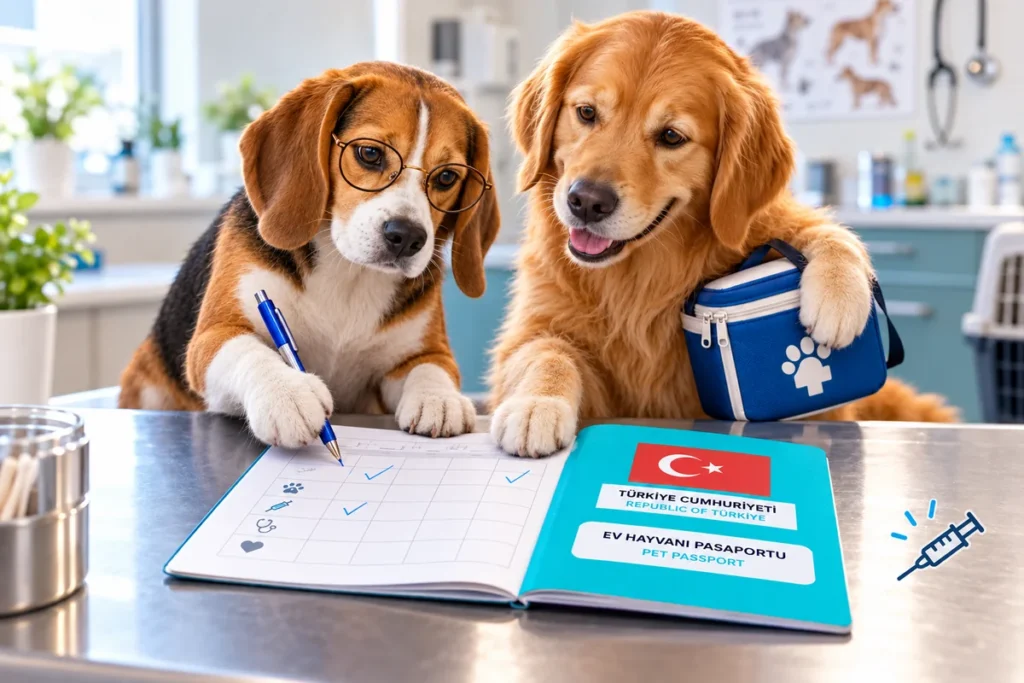
A dog’s vaccination schedule is prepared according to the puppy’s age, health and previous vaccinations and treatments. At our clinic, healthy puppies begin their vaccinations from 45 days of age. Starting early is particularly important for protection against parvovirus and canine distemper; subsequent doses also need to be given at the right time for protection to develop.
Vaccination records should also be reviewed for newly adopted adult dogs. Dogs that have never been vaccinated, those with an unknown history and those vaccinated regularly do not follow the same schedule. Internal and external parasite control is planned alongside vaccination, according to the dog’s living conditions.
When should you bring your puppy for the first examination?
Do not delay the first examination after adopting a puppy. The puppy’s date of birth, time spent with their mother, diet, and previous vaccinations and parasite treatments all influence the initial plan. The examination assesses overall health, body weight, temperature, and digestive and respiratory signs.
If your puppy has vomiting, diarrhoea, loss of appetite, nasal discharge or a cough, let the clinic know before the appointment. Symptoms can worsen quickly, especially in an unvaccinated puppy. Any illness needs to be assessed first; vaccination does not replace treatment.
What risks do CPV, CDV and CCV pose?
Bloody diarrhoea and parvovirus in dogs
CPV is canine parvovirus, which can cause severe disease, particularly in dogs that are unvaccinated or have not completed their puppy vaccination series. Loss of appetite and lethargy may be followed by vomiting and diarrhoea. The diarrhoea may contain blood, but the absence of blood in the stool does not rule out parvovirus. Bloody diarrhoea in dogs can also have causes other than parvovirus; an examination and appropriate tests are needed for diagnosis.
The virus damages the intestines and immune system. Rapid fluid loss, circulatory problems and widespread infection originating in the intestines can be life-threatening. Environments and objects contaminated with faeces play an important role in transmission. If a puppy develops repeated vomiting or diarrhoea, do not wait for bloody stools to appear.
Canine distemper
CDV is the virus that causes canine distemper. It can affect the respiratory, digestive and nervous systems. Signs may include fever, discharge from the eyes and nose, coughing, vomiting or diarrhoea; some dogs develop muscle twitching, poor coordination and seizures.
Canine distemper can be fatal and may leave dogs that recover with lasting neurological problems. Although its Turkish name refers to young dogs, unprotected adults can also become ill. Starting vaccination on time and completing the series are essential parts of prevention.
Canine coronavirus
Canine enteric coronavirus, abbreviated as CCV or CCoV, can cause diarrhoea, especially in puppies. Most infections are mild. Severe and, rarely, fatal illness can occur in very young or weak puppies, in those with other infections, and with certain virus variants. The puppy’s age, overall health and any accompanying infections also influence the severity of illness.
Appropriate care, hygiene, avoiding contact with sick dogs and, especially, completing parvovirus vaccinations are important for protection. A puppy with diarrhoea should be examined promptly to identify the cause and assess fluid loss.
Which vaccines are given to dogs?
What is the canine distemper vaccine?
The “canine distemper vaccine” is the common name for vaccination against CDV, the virus that causes canine distemper. In our clinic’s programme, vaccination against CDV begins with Puppy DP and continues with combination vaccines containing this component. Puppy DP is also used against parvovirus; the other diseases covered by a combination vaccine depend on its ingredients. Vaccines are given to healthy dogs to reduce the risk of disease; they do not treat an existing distemper infection.
Puppy DP and combination vaccines
Puppy DP is a two-component vaccine used early in life against canine distemper and parvovirus. It is the first vaccine given in our clinic’s puppy programme. It does not replace subsequent vaccines containing adenovirus and other necessary components.
Canine combination vaccines generally contain components against distemper, parvovirus, adenovirus and parainfluenza. Their contents can vary between products. Leptospirosis may be included in some combinations or given as a separate vaccine. A record stating only that a “combination vaccine” was given therefore does not identify all the diseases covered; the product record should be checked.
Antibodies passed on from the mother can affect the response to vaccination early in life. It is therefore important to keep the appointments in the vaccination record and record details of the products used.
Rabies vaccine
Rabies is an infection that can spread from animals to humans and has serious consequences. In Türkiye, rabies vaccination is a legal requirement for dogs, and the vaccine is repeated every year.
For international travel, a rabies antibody titre test may be required in addition to a microchip and documentation; preparations should begin before travelling.
Bordetella vaccination and kennel cough
Various viruses and bacteria contribute to the contagious respiratory illness known as kennel cough. Bordetella bronchiseptica is one of them. The illness can also affect pet dogs that come into contact with other dogs.
Bronchine in the schedule refers to Bordetella vaccination. Frequent contact with other dogs, boarding, group training and time spent in crowded environments are considered when deciding on vaccination. The vaccine does not protect against every cause of coughing.
Injectable, intranasal and oral products differ in their minimum starting ages and number of doses. The initial series for two-dose injectable products is completed with two administrations; some intranasal or oral products use a single dose. The age at the first dose and the next appointment are determined according to the selected product’s instructions.
Lyme vaccine
Lyme disease is associated with Borrelia bacteria carried by infected ticks. The decision to vaccinate considers the areas where the dog lives and travels, tick exposure and the organisms covered by the product. It is not a vaccine that is automatically added for every dog.
When vaccination is considered appropriate, the initial series is completed at the intervals specified in the product instructions. For products requiring two doses, the timing of the second dose matters. Regular tick protection and checks for ticks after walks should continue even if the dog has been vaccinated against Lyme disease.
Where does leptospirosis fit into the schedule?
Leptospirosis can affect various organs, particularly the kidneys and liver, and is also important for human health. Contact with water or environments contaminated by the urine of infected animals can pose a risk. Dogs living in cities can also be exposed.
The prevention plan checks whether the combination vaccine includes leptospirosis, which types it covers and whether the initial doses have been completed. Leptospirosis protection is addressed by considering both the contents of the selected combination vaccine and the need for a separate vaccine. The repeat interval for leptospirosis may differ from that of the core viral components in the combination vaccine.
Initial dog vaccination schedule at Çeliktepe Veterinary Clinic
The table below shows the first visits in the dog vaccination and parasite care programme that begins from 45 days of age at Çeliktepe Veterinary Clinic. The weeks refer to programme weeks counted from the first visit, not the dog’s age. An examination is performed before each visit’s vaccinations and treatments. The approved age, weight, dose interval and conditions for use alongside other products are followed for each vaccine and parasite product. If these conditions are not met in the relevant week, only that vaccination or treatment and its associated repeat dose are moved to a suitable date.
| Week | Vaccine / treatment | Details |
|---|---|---|
| Week 1 | Puppy DP · Internal parasite treatment 1 · External parasite treatment | Early vaccination against distemper and parvovirus; starting internal and external parasite control. |
| Week 2 | Corona 1 · Bronchine 1 | The first coronavirus and Bordetella vaccination visit planned at the clinic. |
| Week 3 | Combination 1 · Internal parasite treatment 2 | Continuing the combination vaccination series; the second internal parasite treatment is given 14 days after the first, according to the selected medicine protocol. |
| Week 4 | Corona 2 · Bronchine 2 | The repeat vaccination visit linked to the first doses. |
| Week 5 | Combination 2 · External parasite treatment | Continuing the combination vaccination series and giving the monthly external parasite treatment. |
| Week 6 | Rabies · Lyme 1 | Rabies vaccination and starting Lyme vaccination following an assessment of tick exposure. |
| Week 8 | Lyme 2 | The second dose in the initial Lyme vaccination series and setting subsequent check-up dates. |
Coronavirus vaccinations are included in this clinic visit plan. Current vaccination guidelines do not recommend routine vaccination against canine enteric coronavirus; the product’s approved indication and the reason for its use are assessed separately by the veterinarian.
Which tests are performed before vaccination?
Not every healthy dog needs the same panel of tests before vaccination. Tests are selected according to examination findings, medical history and the likelihood of exposure. Parvovirus testing, stool examination and, when necessary, blood tests may be considered, particularly for puppies with diarrhoea or vomiting.
A negative test does not rule out infection in every situation. The timing of sample collection, the method used and the clinical findings are assessed together. Adults with an unknown medical history may also need further investigations according to their age, tick exposure and travel history.
Internal parasite treatment and follow-up schedule
The following schedules are clinic follow-up plans used after the veterinarian has confirmed the target parasite and the suitability of the selected medicine’s dosing interval, and calculated the dose according to the dog’s age and weight.
Initially, two internal parasite treatments are given. The second treatment is given 14 days after the first. After this initial period, internal parasite follow-up continues every two months.
If the two-month treatment interval has been exceeded, the dog’s last treatment and health are reviewed. For dogs for whom this protocol is considered appropriate, the initial schedule of two treatments 14 days apart is planned again, followed by a return to the two-monthly schedule.
For dogs with an active parasite infection for whom this treatment schedule has been selected, treatments are given on days 1, 2, 3 and 14. A clinic visit is arranged in the second month for a parasite check and to plan the next treatment; the two-monthly follow-up schedule then continues. Changes in the stool and the dog’s overall condition are also monitored during this period.
Recording treatment dates helps prevent missed initial doses and two-monthly repeat treatments. Consult the clinic before changing the amount of medicine or the duration of treatment.
How often are external parasite treatments given?
Monthly external parasite products are repeated once a month. When a product provides two or three months of protection, treatment is repeated according to its stated duration of action. The same product may have different durations of action against different parasites, so the follow-up schedule is prepared accordingly.
Age and weight limits must be checked for puppies. Other animals in the home and responses to previous medicines are also considered when selecting a product. When fleas are present, assessing the animals in the household together and cleaning the environment help reduce reinfestation.
What should you do on vaccination day and afterwards?
Bring the vaccination record or passport, previous test results and details of any medicines being used. Tell your veterinarian about any symptoms that have started recently and any reactions following previous vaccinations.
Mild lethargy, a temporary reduction in appetite or tenderness at the injection site may occur after vaccination. Contact the clinic if symptoms are pronounced, prolonged or worsening. Facial swelling, difficulty breathing, repeated vomiting or collapse require veterinary assessment without delay.
Full protection does not develop immediately after vaccination. While the puppy vaccination series is being completed, limit contact with dogs of unknown vaccination status and shared areas that may be contaminated with faeces. Socialisation should also be maintained; follow your veterinarian’s advice on suitable contact with healthy, vaccinated dogs in clean, controlled environments.
Frequently asked questions about dog vaccinations
Is the distemper vaccine only given to puppies?
No. Canine distemper can also affect adult dogs without adequate immunity. In adults, CDV protection is followed up through previous vaccination records and the contents of the combination vaccine used. For dogs with an unknown vaccination history, an initial plan is prepared during the examination.
Can a 45-day-old puppy be vaccinated?
Yes. At our clinic, healthy puppies begin their vaccination programme with Puppy DP from 45 days of age. Their health and previous vaccinations and treatments are checked at the first examination.
Is the combination vaccine repeated every year?
The components of a combination vaccine may not all have the same repeat interval. After the initial series, the product instructions, previous doses and infection risk guide the schedule. Longer intervals may be suitable for some core viral components; leptospirosis and other components are followed up separately.
Does a delayed vaccination mean restarting the whole programme?
Not every delay requires the entire series to be restarted. The vaccine type, number of doses already given, date of the last dose and the dog’s age are checked. If an appointment in the initial series is missed, arrange a new date with your clinic.
Are internal and external parasite treatments vaccines?
Although they may be called “parasite vaccines” in everyday conversation, these are medicines used against parasites. Repeat intervals and durations of action vary according to the product. Whether they can be given on the same day as vaccines also depends on the products and the examination findings.
What happens if an adult dog has an unknown vaccination history?
Any available records and medical history are reviewed first. Suitable initial doses are determined for an adult being vaccinated for the first time; the puppy schedule beginning with Puppy DP is not simply copied. For adults vaccinated regularly, repeat doses are planned according to the product’s duration of protection, legal requirements and ongoing risk. Annual health examinations remain important even when no vaccine is due.
What affects the cost of dog vaccinations?
Vaccination fees vary according to the type of vaccine and the product used. A puppy’s initial programme and an adult dog’s repeat vaccinations do not involve the same procedures. The examination, any necessary tests and parasite treatments may also affect the total cost. Contact our clinic for current prices based on your dog’s age and existing vaccination record.
Can my dog have a bath after vaccination?
Discuss when to bathe your dog with your veterinarian on vaccination day. Postpone bathing if your dog is lethargic or the injection site is tender. If an external parasite product was applied to the skin at the same visit, follow that product’s waiting period before contact with water or shampoo; a single number of days does not apply to every treatment.
What should I do if my dog develops swelling at the injection site?
A small swelling may appear at the injection site. Note its location and the date you noticed it; tell the clinic if it is growing, painful or not getting smaller. If there is also facial swelling, difficulty breathing, repeated vomiting or collapse, veterinary assessment is needed without delay.
Vaccination follow-up at Çeliktepe Veterinary Clinic
A practical follow-up plan is prepared using your dog’s date of birth, medical history and existing vaccination records. The date of the next visit and the planned vaccinations and treatments are entered in the vaccination record. To learn more about vaccination and preventive care at Çeliktepe Veterinary Clinic in Kağıthane or to arrange an appointment, contact our clinic.
This content is for general information and does not replace a veterinary examination.

