
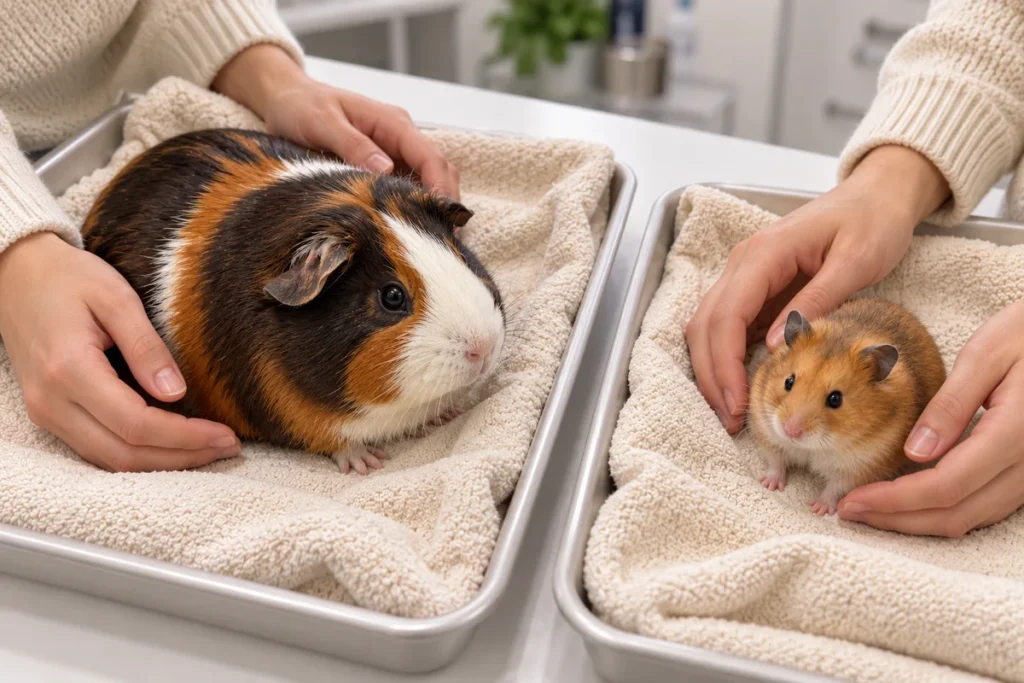
Spaying and neutering in guinea pigs and hamsters is a surgical procedure evaluated to prevent reproduction or to treat a disease related to the reproductive organs. While these two species are discussed under the same heading, their lifestyles, surgical requirements, and care plans differ. The decision is made based on the animal's species and gender, as well as its health status and living conditions.
At Çeliktepe Veterinary Clinic, we provide general anesthesia for spaying and neutering female and male guinea pigs and hamsters solely through inhalation, i.e., gas anesthesia. Pain management is also planned. We can deliver our patients to their owners approximately two hours later if the operation proceeds smoothly, and the recovery and general condition assessment are appropriate.
First decision: for which animal and for what purpose?
The decision to spay or neuter is not made solely based on the question "Is it a female or a male?" In animals living together, the need to prevent pregnancy, to treat an identified reproductive organ disease, and to evaluate the benefits of the surgery against the risks of anesthesia must be considered. During the examination, factors such as species, gender, body weight, age, previous illnesses, and current symptoms are evaluated together.
Male guinea pig: control of reproduction
The guinea pig is also known as a cavy or guinea pig. Neutering male guinea pigs involves the surgical removal of the testicles. This procedure may be considered to prevent unwanted pregnancies, especially when planning to keep them with female guinea pigs. The identification of a disease related to the testicles may also justify the surgery.
Neutering does not necessarily mean the animals will get along or that fights will cease. The way they are introduced, the adequacy of living space, and their individual compatibility remain important. Additionally, after the surgery, a male guinea pig may still impregnate a female for some time. The timing for reintroduction with an unneutered female should be determined according to the veterinarian's recommendation.
Female guinea pig: ovarian and uterine health
Ovarian cysts in female guinea pigs are among the important health issues considered for spaying. Symptoms such as abdominal enlargement, symmetrical hair loss on the sides, or behavioral changes may be observed; however, these alone do not diagnose a cyst. The cause is investigated through examination and additional tests if necessary.
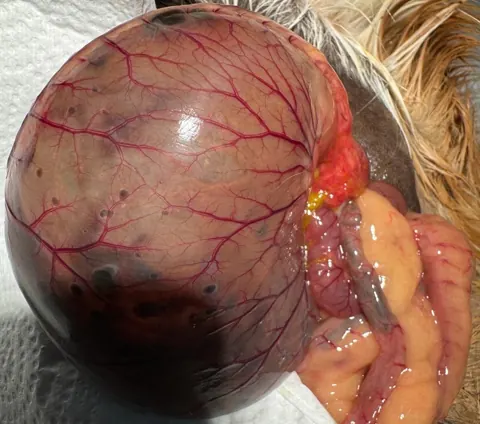
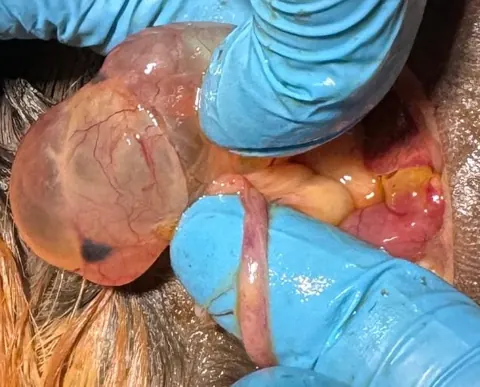
The surgical approach in females is planned according to the condition of the ovaries and, if necessary, the uterus. The surgery for an animal with ovarian cysts or uterine disease may not require the same evaluation as a procedure performed solely to prevent reproduction. Whether there is a disease in the organs affects the scope of the surgery and the need for follow-up.
Male hamster: necessity assessed individually
In neutering male hamsters, the testicles are removed. Surgical options may be considered if there are testicular diseases or a specific need for reproductive control. It cannot be stated that every healthy male hamster should be routinely neutered; the anticipated benefit must be weighed against the animal's general condition and the risks of the procedure.
The housing arrangement for hamsters is also important. Particularly, Syrian hamsters should live alone. Neutering does not guarantee that a hamster suitable for solitary living can be kept with other hamsters in the same cage.
Female hamster: planning for disease and need
In female hamsters, issues such as uterine infections or masses associated with the ovaries or uterus may require surgical evaluation. For procedures considered for reproductive control, the individual benefits and risks are also reviewed. Not all healthy female hamsters are recommended to undergo the same preventive surgery.
The ovaries and uterus in females, and the testicles in males, are evaluated; therefore, the operations of the two genders are anatomically different. If there is bloody or unusual discharge, significant abdominal enlargement, or lethargy, these should not be dismissed as a normal part of estrus; veterinary care should be sought.
Day at the clinic: preparation, anesthesia, and recovery
Before the appointment, inform us of any changes in appetite, defecation, breathing, and mobility. Share any medications used and previous anesthesia experiences. Additional tests may be necessary based on the examination, or it may be deemed appropriate to stabilize an existing illness first.
Do not withhold food from your guinea pig or hamster overnight based on your own decision. Do not apply the long fasting instructions meant for cats and dogs to these species. Follow animal-specific instructions regarding feeding and preparation on the day of the procedure. It might be helpful to bring the usual dry hay and feed for the guinea pig and the food used in the hamster's normal diet.
In our clinic, general anesthesia is applied through gas for both female and male guinea pigs and hamsters. The patient’s condition and body temperature are monitored throughout the surgery; pain management is provided.
The approximately two-hour handover time should not be assessed solely as the duration of the surgical procedure. Recovery and clinical assessment are part of this plan.
Four important checks upon returning home
- Feeding: Observe the desire to eat and whether or not it is actually consuming food. Do not evaluate loss of appetite solely as post-surgery fatigue.
- Defecation: In particular, a noticeable decrease or cessation of feces in guinea pigs, along with loss of appetite, requires urgent evaluation.
- Surgical site: If there is bleeding, opening, significant swelling, discharge, or constant fiddling with the wound, please notify the clinic.
- General condition: Seek veterinary support promptly for significant lethargy, difficulty breathing, feeling cold, or signs of pain.
Prepare a clean, calm, and safe recovery area. Follow the veterinarian's plan regarding medications and follow-up appointments. The need for a collar, stitch check, and movement regulation is determined individually for each patient. Do not administer human medications; do not apply cream or antiseptic to the wound on your own decision.
Frequently asked questions
At what age are guinea pigs and hamsters neutered?
It is not correct to give a single age limit for both species and both genders. The appropriate time is determined by evaluating development, body weight, health status, and the purpose of the surgery. The decision for surgery required due to illness is not based solely on age.
Does a female guinea pig or hamster need to give birth once before being neutered?
No. A female guinea pig or hamster does not need to have given birth beforehand to be neutered. Prior childbirth is not required as a prerequisite when deciding on surgery.
Is neutering in guinea pigs and hamsters risky?
Every surgery and general anesthesia carry certain risks. Examination, appropriate planning for the patient, maintaining body temperature, monitoring anesthesia, and pain management are therefore important. Risk assessment is made according to the health status of the animal and the procedure to be performed.
Can female and male patients return home in two hours?
In our clinic, a handover can typically be planned approximately two hours later for both genders. This applies to patients who wake up and have an appropriate general condition, without complications.
How is the price for neutering guinea pigs and hamsters determined?
The fee may vary based on species, gender, whether a disease is present, necessary examinations, and the need for surgical follow-up. You can contact the clinic to learn about what is included in the examination, anesthesia, pain management, and follow-up.
This content is intended for general information purposes; it does not replace a veterinary examination.

