
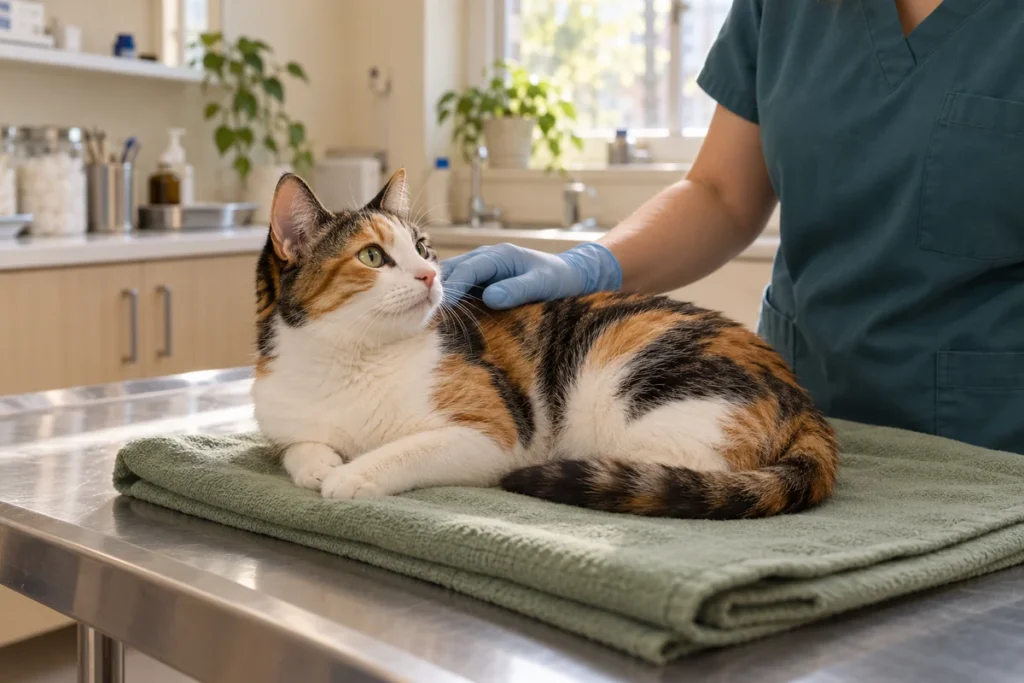
Spaying female cats is a surgical procedure performed to prevent unwanted pregnancies and reduce health risks associated with the reproductive system. In an ovariohysterectomy, both ovaries and the uterus are removed. This prevents the occurrence of pregnancy and terminates the estrous cycles related to ovarian hormones.
At Çeliktepe Veterinary Clinic, we plan the spaying of female cats as a process that includes pre-operative assessment, sedation and gas anesthesia, pain control, tissue-respecting surgery, and safe recovery. In our standard protocol, the ovaries and uterus are completely removed through a small incision made in the left flank; stitches and collars are not applied. In cases that progress smoothly, the patient is discharged within 4 hours, fully awake after the awakening procedure.
Why Is Spaying Female Cats Important?
During the estrous period, intense meowing, rolling on the ground, rubbing, pulling the tail to the side, and attempting to go outside can be observed. These signs can recur frequently in some cats, affecting both the animal and the daily routine at home. Spaying prevents estrous cycles and unplanned pregnancies.
The removal of the uterus is important for preventing a uterine infection known as pyometra. When pyometra develops, the condition of the affected cat can deteriorate rapidly, and emergency treatment may be necessary. The preparation and recovery process for planned spaying in a healthy cat are not the same as for emergency surgery performed due to infection.
The age at which the operation is performed is also important in terms of mammary tumor risk. In a case-control study conducted on female cats, it was reported that those spayed before 6 months of age had a 91% lower risk of mammary carcinoma compared to unspayed cats, and those spayed before 1 year of age had an 86% lower risk. These are the relative risk reduction values obtained in the study; it does not mean that cancer can be definitively prevented for every cat. Nevertheless, it creates an important justification not to delay the timing until after the first estrus or the first pregnancy.
At What Age Can Female Cats Be Spayed?
Cats can gain reproductive ability earlier than their owners may expect, by around 4–5 months of age. International feline veterinary organizations support planning the procedure for healthy cats without a breeding purpose up to the age of 5 months. When determining the appropriate date, the cat's development, weight, overall health status, and living conditions are evaluated together.
The onset of estrous signs or the cat having given birth once is not a prerequisite for the operation. Reproductive hormones and estrous cycles continue in a cat that does not go outdoors; the possibility of unwanted outdoor access or mating with a male cat in the house should also be considered.
Spaying can also be considered in adult cats that have previously given birth. If there are chronic diseases, advanced age, suspicion of pregnancy, or nursing, these should be shared during the first consultation. These conditions may require further evaluation, different timing, or a separate surgical plan.
Can Surgery Be Done During the Estrous Period?
In our clinic, whether a female cat is in heat does not change our surgical plan. However, it is still important to provide information about meowing, mating behavior, and potential male cat contact before the appointment. Since the vascularization of reproductive tissues can vary during heat, the current period is taken into account during examination and surgical evaluation.
Do not use hormone medications or other products given to another animal on your own decision to suppress heat. If such an application has previously been made, inform the veterinarian about the name and application time of the medication. If there is a possibility of pregnancy, it should be noted that this is not the same situation as being in heat, and it should be additionally evaluated before the operation.
How Is Preparation for Surgery Done?
The first step is general examination and internal medicine assessment. Heart and lung sounds, body temperature, fluid balance, mouth and teeth, weight, skin, and the surgical area are checked. Previous illnesses, surgeries, medications used, and any past issues related to anesthesia are learned.
Blood tests and additional examinations are planned according to the patient's needs. In older cats, those with chronic diseases, or those identified as risky during examination, ultrasonography, color Doppler, and other imaging methods may be included in the evaluation. This way, surgical suitability, medication selection, and follow-up requirements can be determined more clearly.
When preparing for the appointment:
- Follow the clinic's specific instructions regarding food and water for the patient.
- Share the names of regularly used medications and the last application time; do not stop or add extra doses on your own.
- If vomiting, diarrhea, coughing, loss of appetite, or noticeable lethargy occurs, please inform us before coming.
- Provide information about the last heat, possible mating, pregnancy, and nursing.
- Bring the cat in a secure carrier with a clean cover.
There is no single fasting duration applicable to all cats. Particularly, starvation can create problems in kittens and those with metabolic diseases. Do not prepare according to the previous surgical instructions of another cat.
Ovariohysterectomy via Small Incision in the Left Flank
In our clinic's female cat protocol, the operation is performed with a rice-sized incision made in the left flank area. Both ovaries and the uterus are completely removed. This procedure is not only a connection of reproductive tracts; the removal of the ovaries is crucial for ending estrous cycles.
Tissue-respecting surgery and a minimally invasive approach aim to reduce unnecessary trauma. During surgery, controlling bleeding and carefully evaluating tissues are as important as the size of the incision. In our standard protocol, stitching and protective collars are not applied.
When disease, pregnancy, or different anatomical findings are detected in the uterus, the patient’s own conditions are taken into account. The approach described in our spaying service targets minimum anesthetic risk, minimum traumatic impact, controlled awakening, and high animal welfare together.
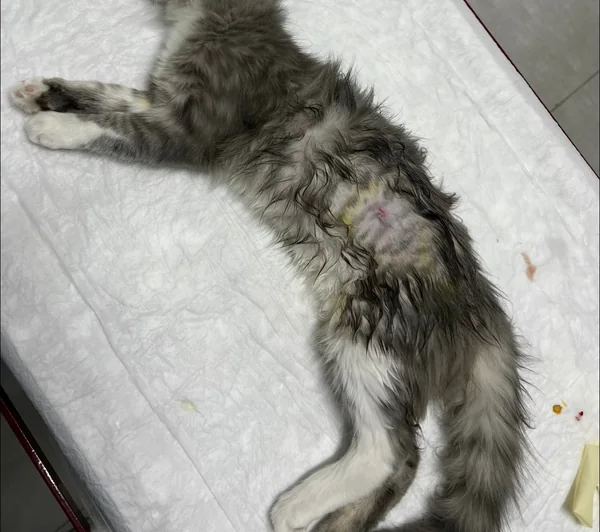
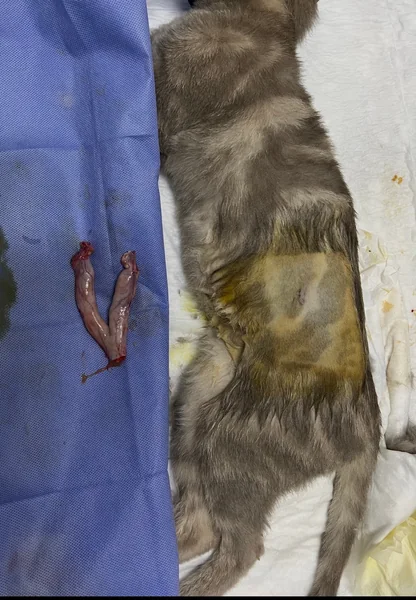
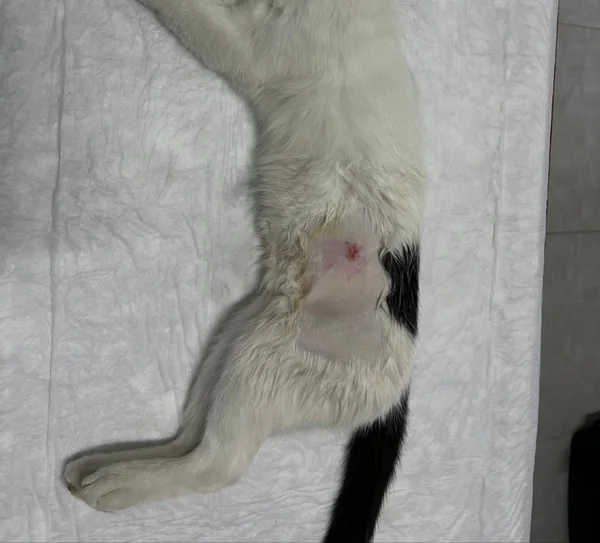
Sedation, Gas Anesthesia, and Pain Control
We use sedation and gas anesthesia in female cats. Inhalation, or gas anesthesia, helps manage the depth of anesthesia. The name of the medication used alone does not ensure safety: appropriate dosing for the patient, airway management, oxygen support, intravenous access, monitoring, and maintaining body temperature are assessed together.
During the operation, heart rate, respiration, oxygenation, and body temperature are monitored. Pain control is planned before the surgery and also covers the post-awakening period. Sedation for calming down, management of consciousness with general anesthesia, and pain control with analgesics are separate, complementary needs.
An awakening agent, also known as an anti-anesthetic, is utilized to reverse the effects of appropriate drug actions. This does not mean that the effects of all medications are eliminated by a single drug; breathing, temperature, and general condition are monitored during awakening. To reduce anesthetic risk, continuous monitoring is maintained from examination to discharge.
Discharge Within Four Hours and Medication Plan
In our clinic, female cats are discharged within 4 hours after the awakening procedure when they are fully awake and suitable to return home. This is the standard course of a smoothly progressing operation process. If an additional finding requiring follow-up emerges during examination or awakening, discharge is adjusted according to the patient's safety.
Antibiotics are administered as a depot. In the standard process, daily antibiotic administration does not require returning for routine check-ups or stitch removal. Antibiotics do not replace pain relief; pain management is planned separately. If a medication is required for home use, the product, its usage method, and duration are clearly explained.
Written recommendations regarding feeding, movement, and monitoring the surgical area are provided at discharge. Not requiring routine follow-up does not mean that evaluation is unnecessary if an unexpected symptom arises.
How Can You Support Recovery at Home?
Prepare a quiet, clean, and easily observable space for the first day. Ensuring that food, water, and the litter box are accessible facilitates the cat's ability to meet its needs without trying to jump to high places. Avoid rough play and wrestling with other animals; follow the plan given to you regarding movement restrictions and returning to daily life.
The return to feeding is explained according to the cat's alertness and the evaluation in the clinic. Do not force-feed food or water. If there are repeating vomit, failure to eat within the expected period, or noticeable lethargy, please contact the clinic.
Monitor the incision area closely. If you notice continuous licking, biting, increased redness, swelling, or discharge, please inform us. Do not apply creams, alcohol, or antiseptics on your own decision; do not squeeze the area and do not lift scabs. It is also necessary to observe whether the cat damages the area even in the protocol where collars are not used.
Full awakening does not equate to the completion of tissue healing. Even if your cat looks energetic, do not abandon the discharge recommendations too early. Do not use human pain relief medications or those belonging to other animals.
Which Signs Require Emergency Evaluation?
If there is difficulty breathing, collapse, notable lethargy, active bleeding, or rapidly growing swelling, do not wait. Opening of the incision, foul-smelling discharge, repeated vomiting, uncontrollable pain, and constant restlessness should also be reported to the clinic without delay.
Follow the observation limits specified at discharge for failure to eat, drink, or urinate or defecate. Especially being unable to urinate while trying is an emergency. Do not consider worsening symptoms as normal with the thought that "this happens after spaying".
Feeding and Weight After Spaying
The energy requirements may change in spayed cats. Therefore, portions are re-evaluated according to the cat's weight and body condition. Instead of starting a strict diet after expecting weight gain, regular weighing and measured feeding are more beneficial.
Kittens that continue to grow, adult cats, and cats with specific diseases do not use the same feeding plan. Food selection, daily amount, and treats should be considered together. After recovery is complete, maintaining play and exercise habits, providing easy access to water, and ensuring that all household members adhere to the feeding plan support weight control.
Frequently Asked Questions
Does a Female Cat Need to Give Birth Before Spaying?
No. The belief that giving birth once is necessary before spaying is incorrect. Waiting for the first pregnancy brings along risks related to unplanned litters and pregnancy. Timing is determined based on development and health status.
Should I Postpone the Appointment for Spaying During Heat?
In our clinic, the status of being in heat does not change the surgical plan. It is sufficient to inform us of the symptoms and possible mating in advance; an additional problem may be evaluated during the examination. Do not use heat suppressants on your own decision.
Is the Uterus Removed During Ovariohysterectomy?
Yes. Ovariohysterectomy involves the removal of the uterus along with the ovaries. It differs from ovariectomy, where only the ovaries are removed. In our clinic's female cat protocol, both the ovaries and the uterus are completely removed.
Is the Procedure Done Through a Small Incision Laparoscopic?
The use of a small incision does not alone mean laparoscopy. The clinical approach described here is the surgery performed through a small incision in the left flank area. Laparoscopy is a separate technique performed with a camera and special equipment.
How Many Hours After Spaying Does the Female Cat Wake Up?
Awakening is evaluated according to the drugs used and the patient's condition. In our clinic, a female cat that is fully awake after the awakening application and observation is discharged within 4 hours in the standard process. This duration is not the healing time for all tissues.
If There Are No Stitches, Is Follow-Up or Collar Not Necessary?
In our standard protocol, there are no stitches, collar, or routine follow-up visit. Nevertheless, continuous licking, opening, bleeding, or discharge from the area may require examination. In such cases, additional precautions may be taken beyond the standard care plan.
Does a Female Cat Go into Heat Again After Spaying?
The complete removal of the ovaries is expected to end the estrous cycles. If distinct and repeated heat-like behaviors are observed after recovery, an evaluation should be conducted. Not every meow or restlessness indicates heat.
Can a Pregnant or Nursing Cat Be Spayed?
Pregnancy and nursing are conditions that require further evaluation. Performing the procedure during pregnancy results in the termination of the pregnancy; in a nursing cat, maternal health and the care needs of the kittens are considered in the planning. Decisions should not be made based on standard appointment information without examination and discussion of these outcomes.
Is It Normal for a Cat Not to Eat After Spaying?
The timing and amount of the first meal are explained at discharge. If the cat does not eat within the specified period, vomits, or becomes increasingly lethargic, please inform the clinic. It is not appropriate to wait days for appetite loss or to force feed on your own decision.
Which Food Should I Use After Spaying?
The food should be chosen based on the cat's age, growth stage, weight, and health condition. Spayed cat foods may be an option; however, appropriate portions and regular weight monitoring are also necessary. For cats with specific diseases, nutrition suitable for treatment is prioritized.
Is Spaying a Female Cat Risky?
There are risks with every surgical and anesthetic procedure. Examination, necessary investigations, appropriate medication selection, pain control, temperature management, and close monitoring aim to reduce these risks. The use of gas anesthesia or a small incision alone does not guarantee zero risk.
What Determines the Price of Spaying a Female Cat?
The fee is determined based on factors such as the cat's weight, necessary examinations, anesthesia and surgical plan, pregnancy, or concomitant diseases. To learn the current price and its scope, please contact Çeliktepe Veterinary Clinic with age, weight, and health information. The appropriate plan for the patient is finalized after the examination.
This content is for informational purposes only; it does not substitute for a veterinary examination.

